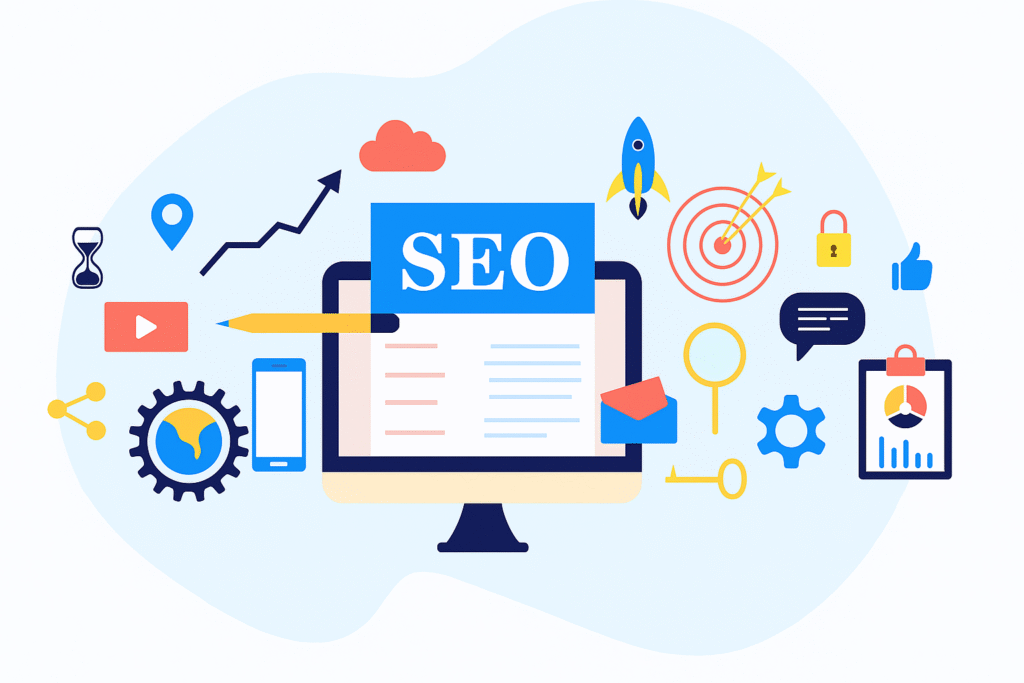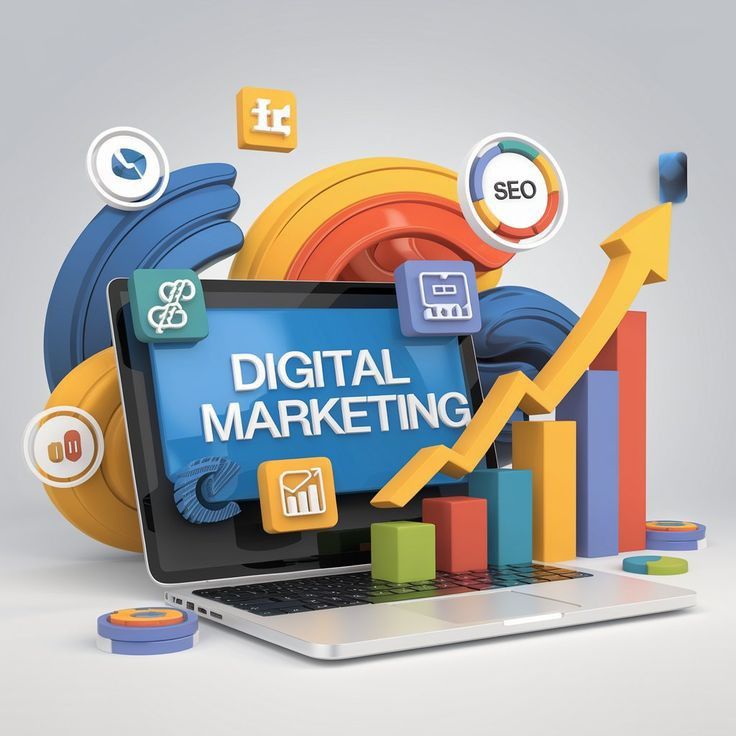
Imagine scrolling through your phone and seeing an ad that feels made just for you. That’s digital marketing at work. It’s the way businesses use online tools to reach people like you and me, from emails to social posts.
Digital marketing means promoting products or services through digital channels. Think websites, search engines, and apps. It’s not just ads; it’s building connections online.
In 2025, global digital ad spending tops $600 billion. Plus, over 80% of consumers check online before buying anything. This guide breaks it down for beginners. You’ll learn the basics, types, and examples to get started.
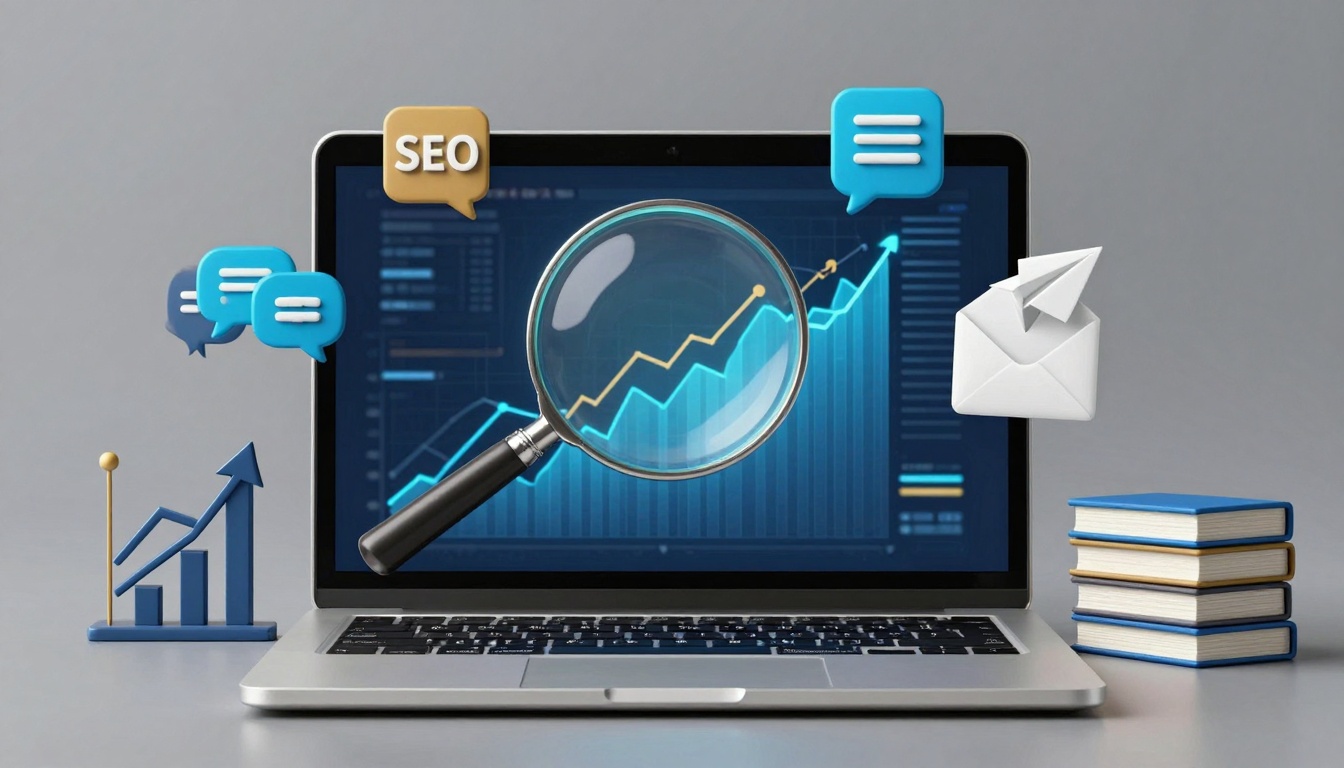
Introduction: Decoding the Digital Landscape
We live in a time when almost everyone has a smartphone. Businesses know this. They use digital tools to grab your attention right where you spend time.
Digital marketing is simple. It’s using the internet and tech to tell people about brands. You see it in targeted ads or helpful blog posts.
This guide is your starting point. Whether you run a small shop or dream of marketing jobs, you’ll grasp the essentials. Let’s dive in and see how it all fits together.
Section 1: Defining Digital Marketing: More Than Just Websites
What Makes Digital Marketing Unique?
Digital marketing stands out because it lets you talk back to brands. Unlike TV ads that just shout, online efforts let you click, share, or comment. It’s interactive and pulls you in.
You can measure every step too. Tools track clicks and views in real time. This helps businesses tweak things fast, unlike old-school print that’s hard to gauge.
Targets get precise. Ads reach folks based on age, location, or interests. No more wasting paper on uninterested crowds.
Try this: Think of your last three buys. How many started with an online search or post? Odds are, digital marketing played a role.
Core Goals of Digital Marketing
The main aims start with awareness. You want people to know your brand exists. Track it with impressions or site visits.
Next comes lead generation. This pulls in contacts ready to learn more. Forms on sites or email sign-ups measure it.
Sales conversion turns interest into buys. Look at checkout rates to see success. Tools show what pushes people over the edge.
Customer retention keeps them coming back. Loyalty programs or follow-up emails help. Repeat purchase rates tell you if it works.
Each goal uses data to prove value. You adjust based on numbers, not guesses.
The Shift from Outbound to Inbound Methodologies
Outbound marketing blasts messages out, like cold calls or billboards. It interrupts your day and often annoys.
Inbound flips that. It draws people in with useful stuff, like free guides or fun videos. They come to you because it solves their problems.
This shift happened as folks got tired of pushy sales. Now, brands focus on value. It builds trust over time.
Inbound fits digital tools perfectly. Content pulls searches, and emails nurture leads. It’s the smart way forward.
Section 2: The Essential Pillars: Key Types of Digital Marketing
These core types form the base of any plan. They connect to reach folks at different spots. Let’s look at each one.
Search Engine Optimization (SEO)
SEO boosts your site’s spot on search results. No paid ads needed; it’s organic. Google loves well-made pages that answer questions.
On-page SEO tweaks titles, words, and speed inside your site. Off-page builds links from other places to show trust.
Take Zappos. They fixed site speed and keywords. Traffic jumped 30%, proving technical tweaks pay off.
Start small. Pick words people search, like “best running shoes.” Add them naturally.
Pay-Per-Click (PPC) Advertising
PPC lets you pay only when someone clicks your ad. Google Ads runs the show, with search for text and display for images.
You bid on keywords. Higher quality scores mean lower costs. It’s like an auction where relevance wins.
A bakery might bid on “fresh cupcakes near me.” Clicks lead to orders, and you track every dollar.
Tip for newbies: Use long-tail phrases like “gluten-free cupcakes in Seattle.” They cost less and attract ready buyers.
Content Marketing
Content marketing shares helpful info to build fans. It’s blogs, videos, or infographics that teach, not sell hard.
Value keeps people around. Solve pain points, and they remember you.
Joe Pulizzi, a top expert, says, “Great content lives forever and works harder than any sales pitch.”
A fitness brand posts workout tips. Readers trust them, then buy gear. It’s indirect but strong.
Social Media Marketing (SMM)
SMM uses platforms like Instagram or Twitter to chat with folks. Organic posts build community; paid ads target groups.
Facebook shines for broad reaches. LinkedIn fits pros. Each spot has its vibe.
Nike runs fun challenges on TikTok. Users join in, spreading the brand free. Paid boosts go further.
Mix both. Post daily, then test small ad budgets.
Email Marketing
Email sends personal notes to your list. Segment by interests, like past buyers get deals.
Personalize with names. Automate drips, series that nurture over weeks.
Build lists with sign-ups. Follow rules like CAN-SPAM to stay legal. No spam fines wanted.
A store emails “Your cart misses you.” It recovers 20% of lost sales often.
Section 3: Supporting Channels and Emerging Trends
These add layers to your main efforts. They link up for bigger impact. Trends show where it’s heading.
Affiliate and Influencer Marketing
Affiliates earn commissions for referrals. It’s performance-based, like partners selling for you.
Influencers add trust. They share on social, reaching fans. It’s modern word-of-mouth.
Check out affiliate basics for starter tips. Brands like Amazon thrive on it.
Pick partners that match your crowd. Track sales with unique links.
Video Marketing
Video grabs eyes fast. YouTube tutorials or TikTok clips keep views high.
Engagement soars—videos get 1200% more shares than text. People watch stories.
Red Bull airs extreme sports clips. Views hit millions, tying to energy drinks.
Keep it short. Aim for under two minutes to hold attention.
Mobile Marketing
Most folks browse on phones. Mobile-first means sites load quick on small screens.
SMS blasts quick alerts. Apps push notifications for deals.
Starbucks app sends location-based offers. Foot traffic rises 15%.
Test on your phone. If it lags, fix it now.
Section 4: Measuring Success: Analytics and Key Performance Indicators (KPIs)
Data drives digital wins. You set goals, track, and improve. No more shooting blind.
Understanding Core Digital Marketing Metrics
Conversion rate shows percentage who act, like buying after a click. Aim for 2-5% in starters.
CTR measures ad clicks to views. Higher means better appeal.
CPA counts cost per new customer. Keep it under what they spend.
ROI checks profit against spend. If $2 back per $1, you’re golden.
Use these to spot wins. Adjust losers quick.
Introduction to Analytics Tools
Google Analytics tracks visits, paths, and bounces free. It’s your dashboard.
Adobe suits big teams with deep dives.
Set up conversion tracking now. Tag key actions like sign-ups. See what works from day one.
Link tools to channels. SEO traffic? PPC leads? It all shows clear.
Section 5: Building Your First Digital Marketing Strategy
Now pull it together. A plan mixes types for your goals. Start simple.
Identifying Your Target Audience (Buyer Personas)
Know who you serve. Build personas: age, job, pains.
Survey customers. Ask what they like. Tools like surveys help.
A coffee shop persona: Busy mom, 30s, wants quick brews. Tailor posts to her.
Refine as you learn. Data updates profiles.
Setting SMART Digital Objectives
SMART means specific goals. Like “Gain 500 email subs in three months.”
Make them measurable with tools. Achievable fits your budget.
Relevant ties to business. Time-bound pushes action.
Example: “Boost site traffic 20% via SEO by June.” Track weekly.
Mapping the Customer Journey
Journey has stages: See, think, buy.
Awareness uses SEO and social. Consideration: Content and email.
Decision: PPC and retargeting.
Take a SaaS tool like email software. SEO draws searches for “best email app.” Content compares options. PPC seals the deal with trials. They hit 10k users this way, mixing channels smart.
Conclusion: Your Next Steps in the Digital Realm
Digital marketing opens doors for any business. It’s about smart use of online spots to connect real.
You’ve got the types, goals, and steps now. Keep learning as trends shift.
- Focus on value to draw people in, not push sales.
- Track every metric to grow what works.
- Start small with one channel, then expand.
Pick one type today. Set a goal and measure it. You’ll see results soon. What’s your first move?