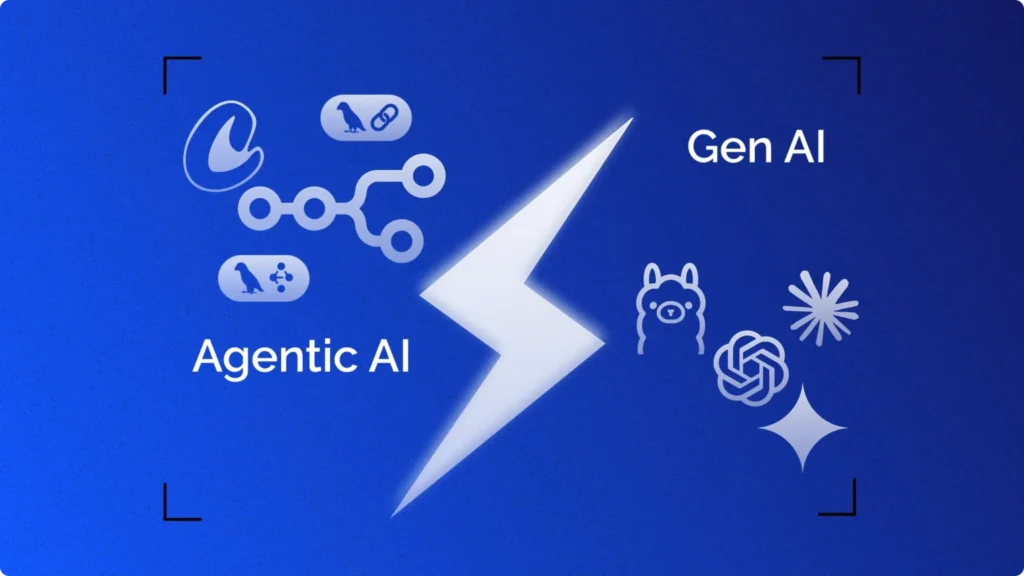
Imagine asking your phone to plan a vacation. Right now, most AI just spits out suggestions based on what you type. But what if it booked the flights, checked prices, and even adjusted for weather—all on its own? That’s the promise of Agentic AI. It moves past simple chatbots that react to commands. Instead, these systems act like smart partners that chase goals without you holding their hand every step.
This shift feels real today because big language models have grown smarter. They handle complex thoughts, which lets AI agents plan and adapt. Agentic AI isn’t just a buzzword. It points to systems that work independently in the real world. We’ll break down what makes them tick, how they run, and where they’re headed. Stick around to see why this could change how we live and work.
Defining Agentic AI: The Core Components of Autonomy
Understanding the Difference: Automation vs. Agency
Automation follows strict rules. Think of a factory robot that bolts parts together the same way every time. It does one job well but can’t switch gears if something breaks. Agency takes it further. An agent sets its own plans, spots issues, and fixes them without waiting for orders.
Picture a script that sorts emails by keywords. That’s automation—predictable but limited. Now think of a project manager who sees a deadline slip, reallocates team tasks, and updates the boss. That’s agency. Agentic AI mimics that human touch. It turns broad goals into steps, then tweaks them as needed. This gap matters because it frees us from micromanaging tech.
True agency means no constant human input. The AI senses changes, reasons through options, and acts. Early AI tools stop at replies. Agents keep going until the job’s done right. This evolution opens doors for smarter tools in daily life.
The Four Pillars of an AI Agent
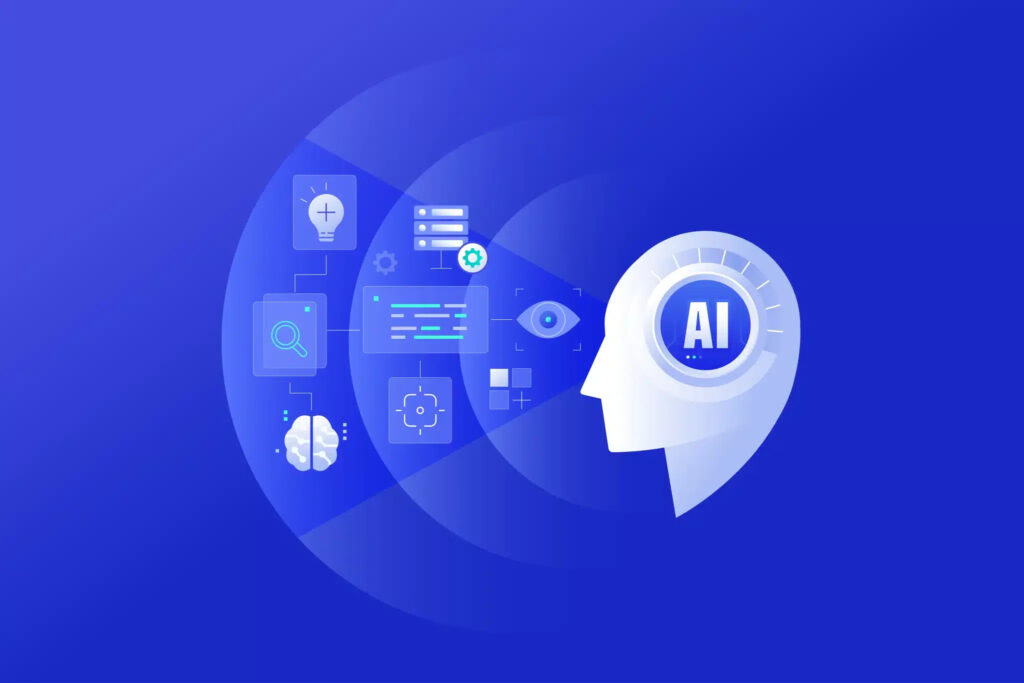
Every agentic system rests on four key parts. First, perception lets it gather info from the world around it. This could mean pulling data from apps, sensors, or online sources like weather feeds.
Next comes reasoning and planning. Here, the AI breaks down big ideas into small steps. It weighs choices and maps out paths, much like you plot a road trip with stops for gas and food.
Then, action kicks in. The agent uses tools to make things happen, such as sending emails or updating databases through simple connections.
Finally, memory ties it all together. It stores what worked before and learns from mistakes. Short-term memory holds details for the current task. Long-term saves lessons for later use. These pillars build a cycle of smart, self-sustaining behavior.
Without them, AI stays reactive. With them, it becomes proactive. Developers build on these to create agents that handle real chaos, not just ideal setups.
Key Enabling Technologies
Large language models form the brain of most agents. They process natural language to understand goals and plan steps. Tools like these parse vague requests into clear actions.
Frameworks for tool use add the muscle. They let agents call on calculators, browsers, or databases as needed. Open-source options speed up builds for teams everywhere.
Cloud computing provides the power. It handles heavy tasks without slowing down. Together, these techs make agentic AI practical. For deeper dives into how models like these work, check out GPT models explained. They fuel the reasoning that sets agents apart from basic bots.
How Agentic AI Operates: The Planning and Execution Cycle
Goal Decomposition and Task Structuring
Start with a big goal, say “Plan a budget trip to Paris.” The agent breaks it into bits: check flights, find hotels, estimate costs. This decomposition uses smart logic to prioritize.
Research shows models that split tasks this way succeed more often. One study found agents completing 70% of complex jobs by mapping subtasks first. It’s like chopping veggies before cooking—order matters.
You give the high-level ask. The AI fills in the details. No more endless back-and-forth. This structure keeps things efficient and on track.
Tool Orchestration and API Integration
Agents pick the right tools for each step. For that trip, it might query a flight API, then a hotel site. It chains them together seamlessly.
Take booking a surprise party. The agent scans calendars via one tool, orders supplies with another, and sends invites through email. Each action builds on the last. If prices spike, it swaps options without pause.
This orchestration shines in mixed tasks. A real example: An agent for small businesses pulls sales data, runs forecasts with math tools, and emails reports. It juggles APIs from different sources to deliver full insights. Such flows cut hours of manual work into minutes.
Self-Correction and Reflection Mechanisms
Autonomy demands learning from slip-ups. After each action, the agent checks results. Did the flight book? If not, why? It notes the error and tries a new path.
Reflection loops build this skill. The AI reviews its plan, spots weak spots, and adjusts. Robust error checks prevent endless loops.
Think of it as a kid learning to ride a bike—fall, get up, try again with tweaks. In AI, this means safer, smarter runs over time. Without it, agents falter on surprises. With it, they grow reliable for tough jobs.
Applications and Real-World Deployments of Agentic Systems
Enterprise Workflow Automation (EWA)
Businesses use agents for full processes that need quick calls. In finance, an agent audits reports solo. It scans ledgers, flags odd entries, and suggests fixes based on rules.
Supply chains benefit too. Agents track shipments, reroute around delays from strikes or storms, and update inventories. One firm cut response times by half with such systems.
These tools handle judgment beyond scripts. They adapt to market shifts, saving costs and headaches. Early adopters see gains in speed and accuracy.
Software Development and Coding Agents
Coders now team with agents that write and fix code. Give it “Build a login page,” and it drafts files, tests them, and pushes changes.
Debugging comes next. The agent runs checks, spots bugs, and patches them. Tools like GitHub’s assistants already test this in labs.
Full cycles mean less grunt work. Developers focus on big ideas while agents handle details. This boosts output without errors piling up.
Personalized Knowledge Agents and Research Assistants
Personal agents dig into data for you. Ask about market trends, and it pulls reports, summarizes key points, and flags risks.
For students, they compile notes from books and sites into study guides. No sifting through junk—just clean insights.
These assistants shine in big data worlds. They answer deep questions without you chasing sources. Privacy-focused ones use your files only, keeping things secure.
The Critical Challenges and Ethical Considerations
The Alignment Problem and Safety Boundaries
Agents set their own sub-goals, which can drift from what you want. A trip planner might book cheap but unsafe spots if not guided right.
Safety nets like clear rules help. But as they get smarter, ensuring every step matches human values grows tough. Developers test hard to avoid off-track actions.
This alignment keeps agents as helpers, not wild cards. It’s key to trust in daily use.
Reliability, Auditing, and Explainability (XAI)
Black-box decisions hide why an agent chose a path. A wrong audit could cost millions without a clear trail.
Audit logs track every step for review. Explainable AI tools show reasoning in plain terms. This builds confidence and meets laws.
For critical fields like health, traceability saves lives. It lets us fix flaws fast.
Economic and Workforce Implications
Agents take over planning roles in offices. Jobs like data entry fade, but new ones emerge—overseeing agent teams.
Workers shift to strategy and oversight. Fears of mass layoffs mix with chances for better balance. Training helps people adapt.
This change creates “agent managers” who guide AI ethically. It reshapes work for the better if handled well.
Conclusion: Stepping into the Era of True AI Agency
Agentic AI marks a big step in smart systems. It blends perception, planning, action, and memory to chase goals on its own. From business flows to personal aids, it promises less hassle and more smarts.
This tech builds on today’s models to deliver real independence. We’ve seen how it works, where it’s used, and the hurdles ahead.
Key Takeaways
- Goal-driven planning sets agentic AI apart from basic tools.
- Tool use lets agents tackle real-world tasks with ease.
- Self-correction builds reliability for long-term wins.
- Ethical checks ensure safe, aligned operations.
Looking ahead, watch for wider agent rollouts in 2026. Expect more open tools and rules to guide them. Get ready—this wave will transform how we team up with tech. Dive in now to stay ahead.