YouTube keeps changing, but one thing stays the same: viewers decide what wins. Old tricks like keyword stuffing and clickbait thumbnails can still get a few clicks, but they rarely hold attention or build a channel in 2026.
Modern YouTube SEO is about how real people react to your videos. This guide walks through what actually drives views, watch time, and subscribers now, based on how YouTube surfaces videos across search, suggested, the homepage, and Shorts.
How YouTube SEO Really Works in 2026
At its core, YouTube SEO today means helping the platform understand your content and then proving that viewers enjoy it. Keywords still matter, but they are only the starting point.
YouTube uses behavior signals to answer one question: did this video help the viewer, and did it lead them to keep watching? If the answer is yes, your video is more likely to show up again, for more people who look like that viewer.
From keyword tricks to viewer signals
Classic SEO focused on keywords, tags, and descriptions. Those still play a role, but the real power now sits in user behavior data.
YouTube watches things like:
- Clicks on your thumbnail and title
- How long people watch before they drop off
- Likes, comments, shares, and subscribes
- How often viewers come back to your channel
Imagine two videos on the same topic. One has a keyword-stuffed title, but viewers click away after 20 seconds. The other has a clear title, clean audio, and a tight structure, and most people watch 60 percent of it. The second video will usually win in search and suggested spots, even if the keywords are simpler.
YouTube wants people to stay on the site, so it rewards videos that hold attention and lead to more viewing.
How the 2026 YouTube algorithm thinks
Think of YouTube as a matchmaker. Its goal is to show the right video to the right viewer at the right time.
For search, it looks at topic match, title, description, and how viewers reacted to the video after clicking.
For suggested and homepage, it leans even harder on watch history, topic patterns, and your past performance with similar viewers.
For Shorts, it tests your video with small groups and quickly scales it up if people watch to the end or replay it.
Creators should focus on three things: clear topics, strong viewer satisfaction, and signals that viewers want more, such as high watch time and follow-up views.
Why AI search and multi-language viewers matter now
YouTube has invested in better automatic captions, multi-language audio tracks, and smarter recommendations. At the same time, AI search tools outside YouTube pull more video results.
That means your video needs to be easy for machines to understand:
- Speak clearly and keep audio clean
- Use accurate on-screen text and titles
- Add helpful descriptions and chapters
When your content is clear, AI tools can surface it for global viewers, often in multiple languages. That can bring in traffic not just from YouTube search, but also from Google and AI assistants that recommend YouTube videos.
Practical YouTube SEO Steps That Work Right Now
You do not need a studio or a team to win with YouTube SEO in 2026. You need clear topics, honest packaging, and content that respects the viewer’s time.
These steps keep things simple and realistic for solo creators.
Pick clear topics and search-friendly angles before you hit record
Good SEO starts before you press record. Aim each video at a real question or problem your viewer has.
Compare these:
- Weak: “Editing Vlog #3”
- Strong: “How to Edit YouTube Videos on a Phone (Step-by-Step)”
The second title tells viewers exactly what they get and lines up with real search terms.
Simple research habits:
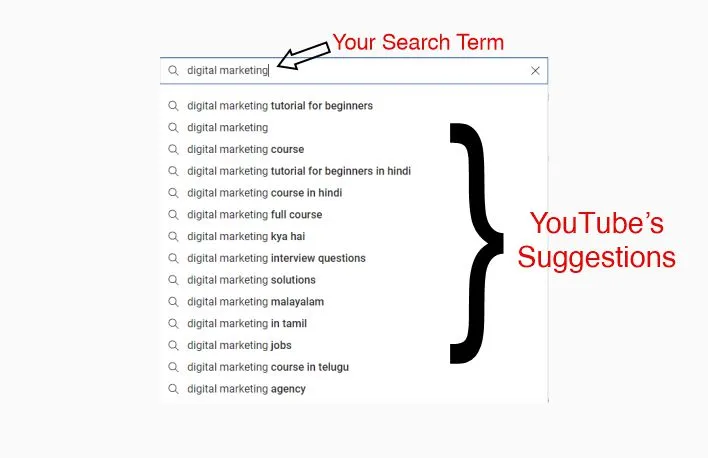
- Type your idea into YouTube search and read the autocomplete phrases
- Scan the top 5 to 10 results and note their titles and thumbnails
- Ask: what are they missing that I can explain clearly or show better?
Clarity beats cleverness. If a stranger cannot guess what your video is about in two seconds, the title is not ready.
Write titles, thumbnails, and intros that win the first 30 seconds
Your title and thumbnail win the click. Your intro earns the rest of the view.
Write honest, benefit-driven titles. Promise one main outcome, not ten. Pair them with simple, bold thumbnails. Fast rules that work:
- One main face or object
- Big, readable text with 2 to 4 words
- Strong contrast, no tiny cluttered details
Once they click, the first 30 seconds should:
- State what they will get.
- Show quick proof you can deliver, like a fast preview result.
- Skip long logo animations and rambling backstory.
This mix raises click-through rate and early retention, which tells YouTube your video is a good pick for more viewers.
Use descriptions, chapters, and tags the smart way
Think of your description as a short guide for both viewers and the algorithm.
Simple on-page checklist:
- Put 2 or 3 key phrases in the first two lines, where they show in search
- Explain who the video is for and what problem it solves
- Add a few helpful links or calls to action at the end
Chapters with timestamps help YouTube understand your sections and help viewers jump to what they need. They can also draw people in when they see helpful labels like “Fix shaky footage on a phone” or “Color correct in 2 minutes”.
Tags still help a bit, mainly for context and common misspellings. Add a few accurate ones, but do not obsess over them. Title, description, and watch time matter far more.
Boost engagement with comments, playlists, and smart CTAs
Engagement signals are like feedback for YouTube. They show that viewers cared enough to react or keep watching more videos.
Ask for engagement in a natural way. For example:
- “Tell me your biggest problem with editing on a phone.”
- “Comment which tip you’ll try first.”
Use playlists and end screens to guide viewers to a helpful next video. Group related videos into a playlist and link to it from your description and end screen. When viewers watch two or three of your videos in a row, YouTube sees that your channel keeps people on the site.
Focus on helping the viewer find their next useful video, not begging for likes.
Use Shorts and long-form videos together
Shorts are a fast way to reach new people in 2026, but they work best when they feed into your long-form content.
Take one strong long video and break it into several Shorts that:
- Tease the main lesson
- Show a quick before-and-after moment
- Share one sharp tip from the full tutorial
Titles and hooks still matter for Shorts, especially in the Shorts feed. Use clear, punchy lines like “Stop doing this with your audio” or “This trick fixes shaky video fast”.
When possible, mention your full video in the Short, add a pinned comment that links to it, or use end screens. That way, Shorts views can turn into long-form watch time and new subscribers.
Tracking Results and Updating Your YouTube SEO Strategy
You do not need to live inside YouTube Analytics. You just need a simple routine that you repeat every month.
Focus on a few core metrics that relate to real behavior, then adjust your titles, thumbnails, and topics based on what you see.
The 5 YouTube metrics that matter most in 2026
Here is a quick guide:
| Metric | What it tells you | Likely fix |
|---|---|---|
| Impressions | How often YouTube shows your thumbnail | Better topics or packaging |
| Click-through rate (CTR) | How many people clicked after seeing it | Clearer titles and thumbnails |
| Average view duration | How many minutes people watch on average | Tighter editing and stronger hooks |
| Average percentage viewed | How much of the video people watch | Shorter videos or better structure |
| Views from suggested/home vs search | Where discovery comes from | More bingeable series or search topics |
Subscriber growth still matters, but it often follows from these behavior metrics.
A simple monthly routine to keep growing
Once a month, set aside one hour for SEO and strategy.
- Open Analytics and sort videos by views from the last 28 days.
- Study your top 5 videos. Note what their titles, thumbnails, and topics have in common.
- Check retention graphs for big drop-off points and ask why people leave there.
- Update weak titles or thumbnails on older videos that still get some impressions.
- Plan 1 or 2 new videos that build on topics that already perform well.
Treat YouTube SEO as an ongoing habit, not a one-time setup. Small tweaks each month stack over time.
Conclusion
In 2026, winning with YouTube SEO is less about tricks and more about serving the viewer well. You succeed when you understand how the algorithm reads viewer signals, set up each video for clear discovery, and use your data to improve over time.
Pick one video on your channel and apply at least two of these tips this week. Tighten the title and thumbnail, fix the intro, or add chapters. Small changes today can lead to stronger watch time, more suggested views, and a channel that grows month after month.